
 By
By 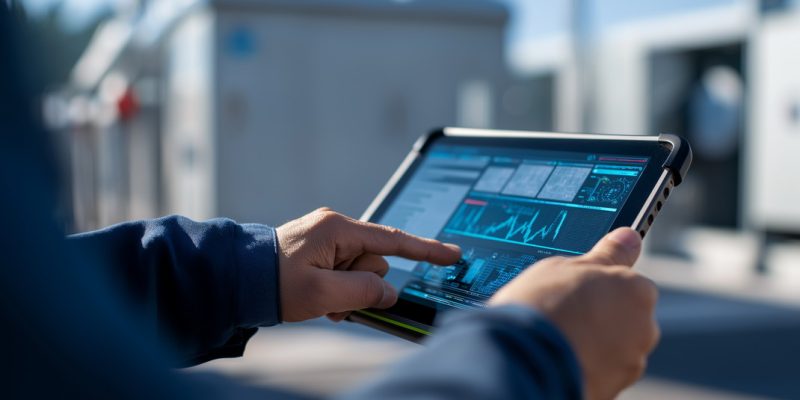
Most people take electricity for granted, despite its importance. Until a problem occurs, the wires, transformers, and power plants remain hidden. But right now, the entire American electrical system is getting smarter. Power companies are replacing dumb infrastructure with equipment that thinks and responds. This shift changes how electricity gets made, distributed, and used across the country.
Why the Old Grid Can’t Keep Up
For a hundred years, power worked pretty much the same way. Big plants generated electricity. Wires carried it to towns and cities. Customers used whatever they needed. Simple enough, except this system runs blind most of the time. Power companies basically guess how much electricity people will want tomorrow. Hot day coming? Better fire up the extra generators. But what if clouds roll in unexpectedly? Now, there’s too much power and nowhere to put it. Cold snap hits without warning? Suddenly everyone cranks up heaters, and the system can’t keep up. Lights dim. Equipment fails.
Solar panels on roofs mess things up even more. These homes pump electricity backward into the grid on sunny days. Electric cars gulp power at random times. Wind farms spin like crazy during storms but sit idle on calm days. The old equipment did not accommodate electricity flowing in both directions. Expecting yesterday’s grid to handle today’s issues is unrealistic.
Smart Systems Change Everything
New tech views electrical systems as networks. Sensors across the grid monitor voltage, temperature, and power flow. Computers analyze these numbers constantly, detecting issues quickly. According to the people at Blues IoT, IoT solutions for utilities connect smart meters, pole monitors, and substation switches. Everything is connected.
The system also gets clever about predictions. It watches weather patterns, checks event schedules, and tracks neighborhood habits. Super Bowl Sunday? The system knows exactly when halftime hits and everyone raids their refrigerators simultaneously. Heat wave approaching? Extra generation spins up hours early, not after brownouts start. Smart switches redirect power instantly when lines go down. Some neighborhoods never even notice the problem that would have knocked them offline for hours using old technology.
Benefits Flow Both Ways
This intelligence helps regular people, not just power companies. Smart meters let customers see exactly when they use electricity. That mystery bill last month? Turns out the teenager’s space heater ran constantly. Or the pool pump motor started dying and pulled extra power. Knowledge leads to better choices.
Pricing gets flexible too. Electricity is cheaper at 2 AM because of lower demand. Families save money by using dishwashers and dryers at night. Owners save money charging electric cars while they sleep. The grid stays balanced, and customers keep more cash. Outages shrink from hours to minutes. Sometimes the system fixes itself so fast that clocks don’t even blink. When repairs do take time, customers get real estimates instead of “sometime today, maybe.” Repair crews know exactly what broke and what parts they need before leaving the depot.
Green energy works better with smart management. Solar and wind power’s unpredictable nature stops being such a headache. The system adapts smoothly as clouds pass over solar farms or wind picks up. Less fuel burns at traditional plants because the grid uses every drop of renewable energy available.
Conclusion
The electrical grid’s evolution from dumb wires to intelligent network touches everyone, whether they realize it or not. Blackouts become rare. Bills drop for savvy customers who shift usage to cheaper times. Clean energy flows smoothly into the mix. Fixes happen before most people are aware. Electrical pipes are the same, but their controls are far more advanced. The silent transformation keeps growing, and it’s building a power system that adapts to the present instead of resisting it.










Comments