
 By
By 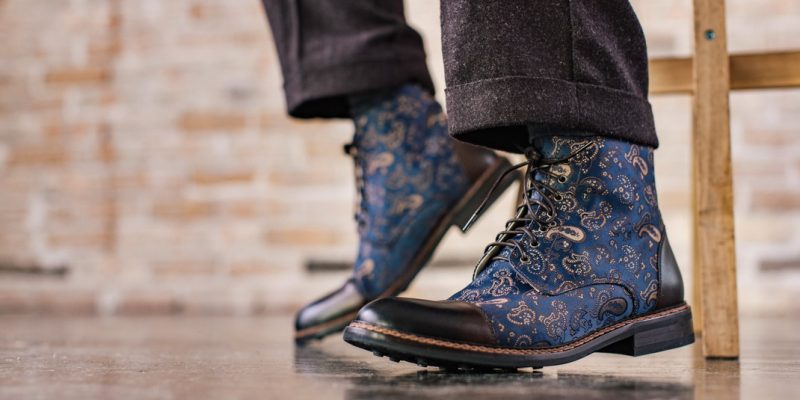
Have you ever thought about why certain boots break down after a few months while others endure for many years? The solution is found in the age-old skill of artisanship. High-quality boots aren’t merely produced on assembly lines. Crafted by expert hands using methods handed down over generations.
Knowing what defines a high-quality boot enables you to differentiate between true craftsmanship and smart advertising. It’s akin to distinguishing between a homemade dish and takeout – once you recognize the signs, you’ll accept nothing inferior.
The Foundation: Leather Selection
Great boots start with great leather. Master craftspeople select hides like chefs select ingredients. They study grain, thickness, and markings to learn about the animal’s life.
Top-quality leather is full grain. This category uses full skin thickness, including the grain. It builds character as time passes, becoming more exquisite through age and use. Consider it the leather version of wine maturation.
Next in quality is top-grain leather. Artisans smooth out small flaws while maintaining most of the hide’s natural durability. It continues to age gracefully and provides outstanding durability for daily use.
Construction Methods That Matter
The way components fit together affects the longevity of your boots. Goodyear welting is the leading method of construction. This method comprises stitching the upper leather to a leather band, followed by affixing that band to the sole.
This technique produces boots that can be resoled repeatedly. It’s like possessing a vehicle with interchangeable components rather than discarding it when something malfunctions. Each pair takes hours for experienced employees, yet the results are obvious.
Blake stitching provides an additional high-quality alternative. Employees attach the sole straight to the upper, resulting in a lighter, more adaptable boot. Although not as simple to fix as welted boots, Blake-stitched shoes still offer great comfort and durability.
The Art of Hand-Stitching
Machine sewing completes the task quickly. Hand-sewing produces artwork. Expert artisans employ methods passed down from their ancestors. They tighten every stitch with seasoned accuracy.
Men’s dress boots and other high-quality footwear from a brand like Taft often feature hand-stitched details. The look reveals quality, thanks to human craftsmanship. These imperfections make each pair unique and authentic.
The thread itself is important as well. Quality manufacturers use strong thread that does not snap under pressure. Some individuals even apply wax to their thread for additional durability and water resistance.
Sole Secrets
The sole supports your weight throughout the entire day. Inexpensive soles wear out quickly and lack comfort. Soles of high quality are made using leather, rubber, or cutting-edge synthetics. Leather soles provide ventilation and timeless elegance. They shape to your foot gradually, forming a personalized fit. Rubber outsoles enhance grip and weather resistance. Many artisans combine leather and rubber.
The way of attachment is as important as the material itself. Soles that are hand-sewn tend to outlast those that are glued. Quality manufacturers frequently utilize various attachment techniques for added safety.
Time and Patience
Mass production prioritizes efficiency. True art takes commitment. A carefully crafted boot, with its intricate details, can take weeks to manufacture. This includes waiting periods for materials to properly settle and cure. This gradual process enables leather to adjust slowly to its new form. It avoids stress areas that might lead to cracking or separation in the future. Think of it as the difference between rushing and properly completing assignments.
Conclusion
High-quality boots require a higher initial investment. They do, though, lead to savings in the long run. They can be mended, resoled, and renewed rather than substituted. More significantly, they cultivate character and gain greater ease as they grow older. Wearing a good pair of shoes highlights the results of centuries of refined techniques and dedicated artistry.










Comments