
 By
By 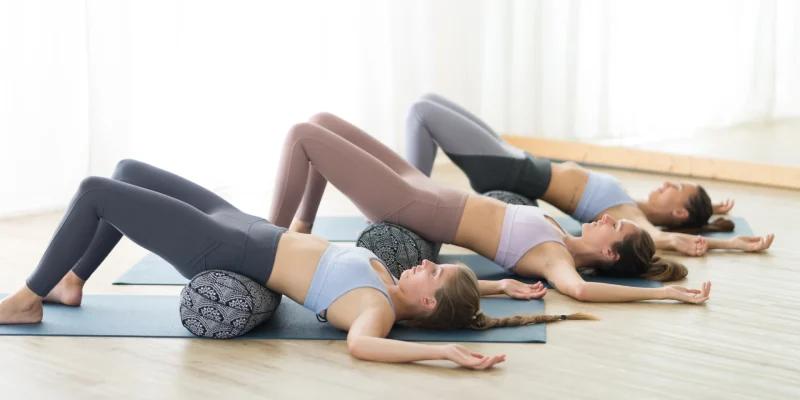
City life often demands more from the mind than the body. People rush between work, transport, errands, family duties, and digital communication. The body may sit for hours, while the nervous system stays constantly alert. This is one reason many people exploring yoga Singapore options are looking for a practice that supports breathing, mobility, and stress control together.
Good health is not only about avoiding illness. It is also about how well a person moves, rests, breathes, and responds to pressure. Yoga is valuable because it connects these areas. It does not treat movement and stress as separate problems. It shows how posture affects breath, how breath affects tension, and how tension affects daily energy.
The Urban Body Is Often Under-Moved
Many adults do not move enough during the day. They may walk between transport points, but their joints do not get full movement. The spine rarely twists deeply. The hips remain bent. The shoulders stay forward. The feet spend hours in shoes without much natural movement.
This creates a body that feels stiff despite not doing physically hard work. People may feel back tightness, neck tension, heavy legs, or reduced flexibility.
Yoga helps by bringing variety back into movement. It asks the body to lengthen, rotate, balance, fold, extend, and stabilize. These patterns can gradually improve mobility and reduce the feeling of being physically stuck.
Why Breathing Gets Shallow
Breathing often changes during stress. People may breathe high into the chest, hold their breath while concentrating, or breathe too quickly without noticing. Poor posture can make this worse. Rounded shoulders and a collapsed chest can limit comfortable breathing.
Yoga brings breathing into awareness. Instead of treating breath as automatic background activity, it becomes part of the practice. Students learn to breathe through effort, slow down during transitions, and notice how the breath changes in different poses.
This can be useful in daily life. A person who notices shallow breathing during yoga may also begin to notice it during work pressure or emotional stress.
Mobility and Breath Are Connected
The body and breath influence each other. If the ribs, spine, and shoulders are stiff, deep breathing may feel restricted. If the breath is shallow, the body may stay tense.
Yoga works on both at the same time. A twist can improve spinal movement while encouraging deeper breathing. A chest-opening pose can create more space in the front body. A forward fold can help the exhale lengthen and the nervous system settle.
This connection is one reason yoga can feel different from ordinary stretching. It is not only about reaching a position. It is about how the body breathes and responds while moving.
Stress Control Through Physical Awareness
Many people try to manage stress only with mental techniques. They may think positively, distract themselves, or take short breaks. These can help, but stress also lives in the body.
Yoga teaches physical awareness. Students notice where they grip, where they collapse, where they rush, and where they avoid movement. This awareness gives them more control.
For example, someone may realize they tense the shoulders during challenging poses. That same pattern may appear during work stress. Once the person notices it, they can practice releasing the shoulders and breathing more steadily.
Why Yoga Helps With Daily Energy
Low energy does not always come from lack of sleep alone. It can also come from poor movement, shallow breathing, mental fatigue, and physical tension. Yoga can improve energy by helping the body move more efficiently.
A morning class may help someone feel awake without relying only on caffeine. An evening class may reduce stiffness and help the body transition toward rest. A midday practice may break the cycle of screen fatigue.
Different classes create different energy effects. Stronger practices can feel energizing. Slower practices can feel restorative. Both can be useful when chosen correctly.
The Importance of Safe Progression
People sometimes think they need to be flexible before doing yoga. This misunderstanding stops many adults from starting. In reality, yoga is a way to build flexibility, mobility, and awareness gradually.
Safe progression is important. The body should not be forced into shapes. Poses should be adapted to the student’s current range. Breath should remain steady. Discomfort should not become pain.
A guided class helps students understand these boundaries. This is especially important for people who are stiff, inactive, or returning to movement after a break.
How Yoga Supports Mental Space
Urban life is noisy, even when the surroundings are quiet. Notifications, deadlines, messages, and responsibilities keep the mind active. Yoga creates a period where attention is brought back to the body.
This does not mean thoughts disappear. It means the person practices returning to breath and movement. Over time, this can improve mental steadiness.
For many people, the greatest value of yoga is not only the physical change. It is the feeling of having space in the mind again.
Building a Practice That Fits Real Life
The best yoga routine is one that can be repeated. People should not choose classes only because they sound impressive. They should choose based on their body, schedule, stress level, and goals.
Some weeks may need stronger movement. Other weeks may need slower recovery. A flexible approach keeps the habit sustainable.
For people in Singapore seeking a practice that supports breath, mobility, and stress control, Yoga Edition can be part of a wellness routine that responds to the demands of modern city life.
FAQs
Can yoga improve breathing?
Yoga can improve breathing awareness and help people notice shallow or tense breathing patterns.
Is yoga useful for people with stiff bodies?
Yes. Yoga can help stiff bodies gradually improve mobility when practiced safely and consistently.
Can yoga reduce stress?
Yoga can support stress control through breathwork, movement, relaxation, and better body awareness.









Comments